

Within the ever-evolving landscape of education, the concept of educational scaffolding has surfaced as a foundation for promoting student success. Just as structural scaffolding provides essential support during construction, educational scaffolding serves as a structure that allows learners to expand their pre-existing knowledge and effectively navigate new information. By implementing thoughtful instructional techniques, educators can create an environment where students feel secure enough to experiment, make mistakes, and eventually thrive in their academic pursuits.
The significance of scaffolding in education extends above mere support; it encompasses thoughtful planning, adaptability, and a keen understanding of individual learner demands. With Bath Scaffolders in place, students can be led toward greater autonomy, gaining the skills and confidence essential for lifelong learning. As we delve into the various facets of scaffolding, we will explore how effective implementation can boost student engagement, foster collaboration, and lead to enhanced educational results in varied learning contexts.
Scaffolding Safety Guidelines
Ensuring the safety of scaffolding structures is crucial on building locations. A comprehensive set of safety guidelines must be in place to minimize hazards associated with working at elevations. This begins with detailed planning and layout, where foremen are required to analyze the exact needs of the project and decide on the suitable scaffolding type and configuration. A carefully planned scaffold installation not just adheres to construction regulations but also prioritizes employee safety by factoring in factors such as load capacity, elevation, and stability.
Regular inspections play a critical part in maintaining security standards. Contractors must create and use scaffolding inspection checklists to systematically evaluate the state and conformity of scaffolds on a daily basis. Important aspects to inspect include the strength of the supporting structures, proper installation of protection features like guardrails and toeboards, and any signs of deterioration or defects. Swift measures should be implemented to fix any issues noted during inspections to avoid incidents and ensure that employees can carry out their tasks without risk.
Moreover, education and communication are critical elements of scaffolding security guidelines. Each individual who will be operating on or around scaffolding should receive thoroughgoing instruction on healthful methods and hazard awareness. Open dialogue regarding safety procedures and responsibilities contributes to create a environment of security on the building location. By promoting teamwork and ensuring that everyone understands the guidelines, builders can significantly minimize the chance of accidents involving scaffold.
Selecting the Right Contractor
Choosing the appropriate builder for scaffolding can significantly impact the security and effectiveness of your construction. Seek out a builder with a strong portfolio and a image for reliability. They should have extensive expertise in installing scaffolding and should be knowledgeable in regional building codes and regulations. Checking ratings, testimonials, and their previous work can provide insight into their skills and dedication to safety.
Communication is key when working with a builder. Make sure that they are willing to explain their techniques and resolve any concerns you may have. A capable contractor should be clear about their processes, including risk mitigation strategies and protection protocols. They should also provide a clear proposal that details the timeline, costs, and any other operational details you should know.
Finally, think about the builder's method to adherence and inspections. A reputable contractor will not only follow legal requirements but also prioritize regular scaffold checkups. They should provide lists that show their commitment to maintaining safety standards throughout the project. Choosing a builder who emphasizes comprehensive safety check practices can safeguard against potential hazards and ensure a smooth build.
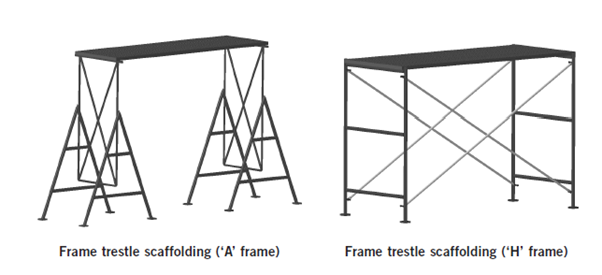
Scaffolding Cost Management
Proper scaffold cost management is crucial for any construction project. Understanding the actual price of scaffolding entails not just the leasing costs. Contractors must factor in factors such as supplies expenses, labor for installation and removal, and ongoing maintenance. A thorough cost breakdown assists in budgeting precisely, making sure that no hidden fees undermine the project timeline or financial plans. Through prior planning, contractors can prevent sudden costs that could arise from unexpected repairs or additional materials, enabling for a more seamless construction flow.
Discussing scaffold rental and installation costs is another crucial aspect of cost management. Contractors should enter negotiations with defined criteria based on the specific needs of the project. This entails discussing the length of scaffold use, challenges of the site, and any additional services needed, such as inspections or compliance checks. Comprehending these factors permits contractors to obtain superior rates and conditions, thus enhancing their overall budget and confirming that funds are distributed efficiently.
Lastly, integrating efficient scaffold management practices goes hand in hand with risk mitigation. By prioritizing worker safety and compliance with building codes, contractors can stop accidents that may lead to costly project delays or legal issues. Investing in knowledgeable contractors who understand navigate scaffold needs not only promises safety but also enhances project success. Therefore, balancing safety protocols with tactical cost management results in a more secure and more cost-effective construction process.